What Is Aronia Berry?
The antioxidant berry most Americans have never tasted — and the reason ElixirBurst exists.
Quick Answers
- What is aronia berry?
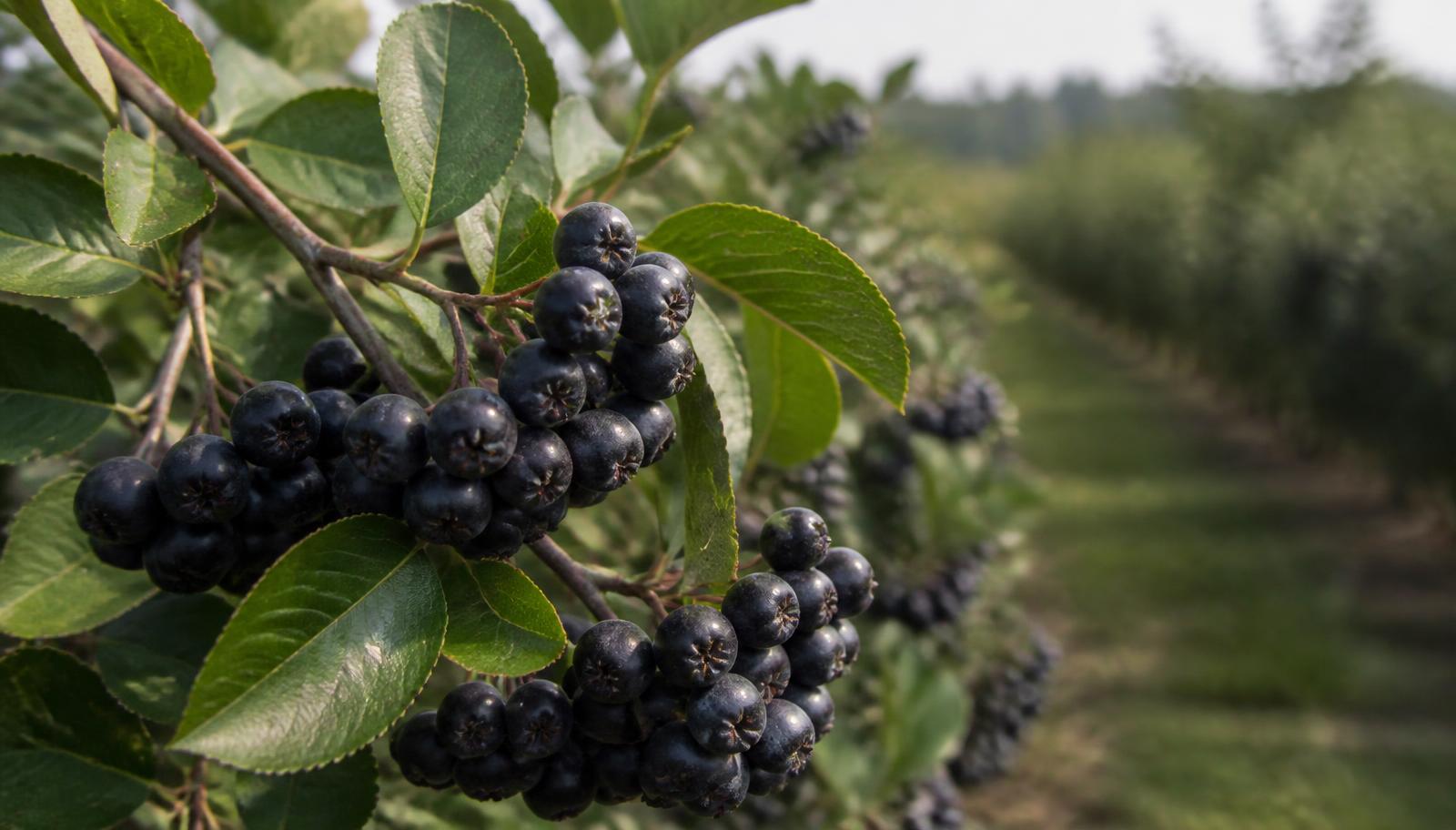
- Aronia (chokeberry) is a dark purple berry with one of the highest antioxidant contents of any fruit.
- What does aronia juice taste like?
- Tart, dry and astringent, with deep berry and a clean finish. It is unsweetened.
- How much aronia juice should I drink a day?
- 100 ml (3.4 oz) per day.
- How long does aronia juice last after opening?
- Refrigerated, 14 days. There are no preservatives.
- Is aronia juice good for you?
- Its polyphenols are associated with antioxidant, immune, heart and anti-inflammatory support.
The Aronia Berry, Explained
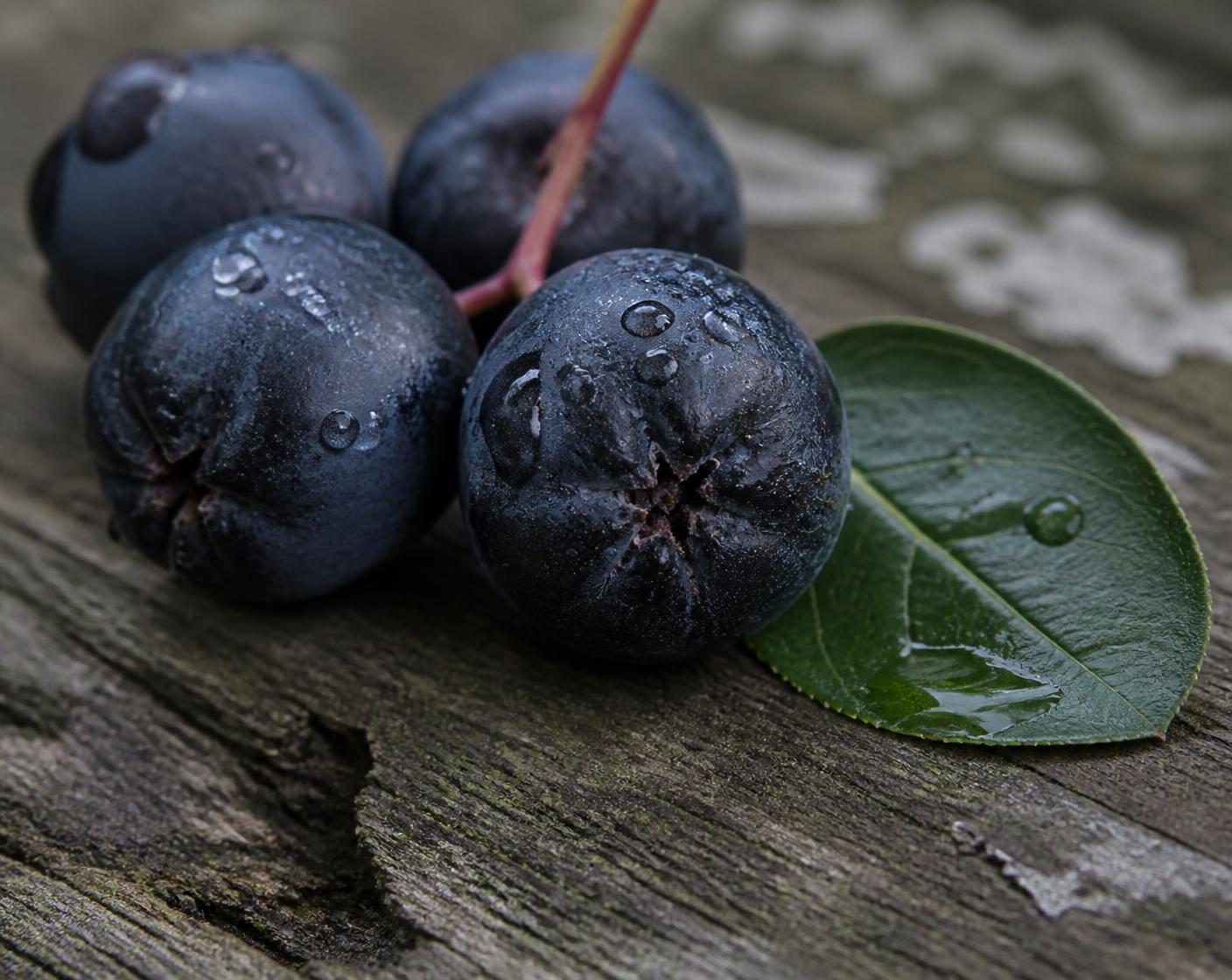
Most Americans have never tasted aronia. In Serbia, Poland and across Eastern Europe it has been a daily staple for decades.
This guide covers what the berry is, what the research says, how it tastes, and how to make it part of an ordinary day.
Origin & History

Aronia melanocarpa is native to eastern North America and was carried to Europe in the twentieth century, where it was bred for juice.
It returns to the US today largely as an import — which is why so few people here recognize the name.
Antioxidants & the Science
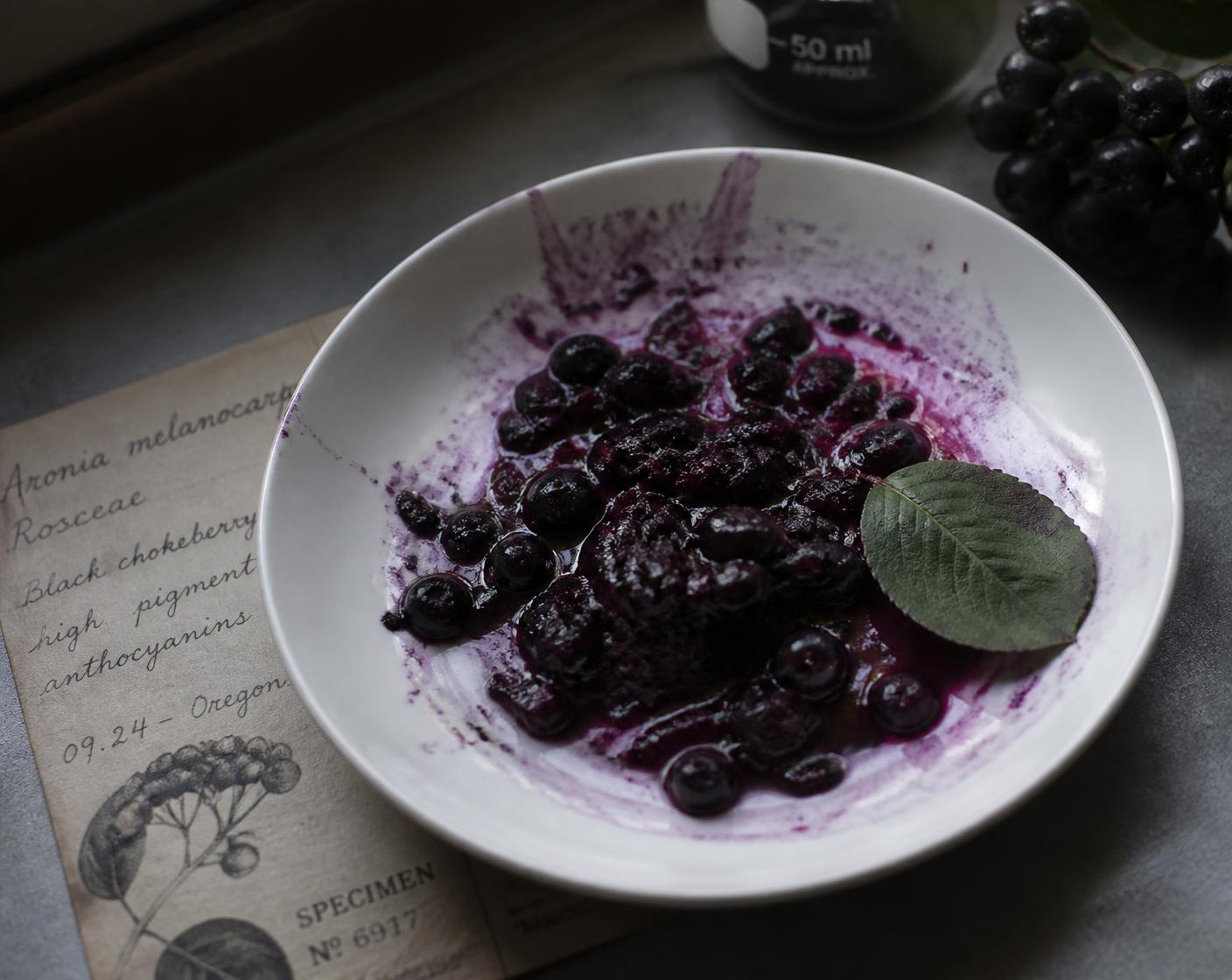
Aronia consistently measures among the highest-ORAC fruits studied, driven by anthocyanins, proanthocyanidins and chlorogenic acid.
- Anthocyanins — the pigment behind the deep purple color
- Proanthocyanidins — responsible for the astringency
- Chlorogenic acid — also found in coffee and blueberries
- Vitamin C, vitamin K, manganese and fiber in the whole fruit
What People Use It For
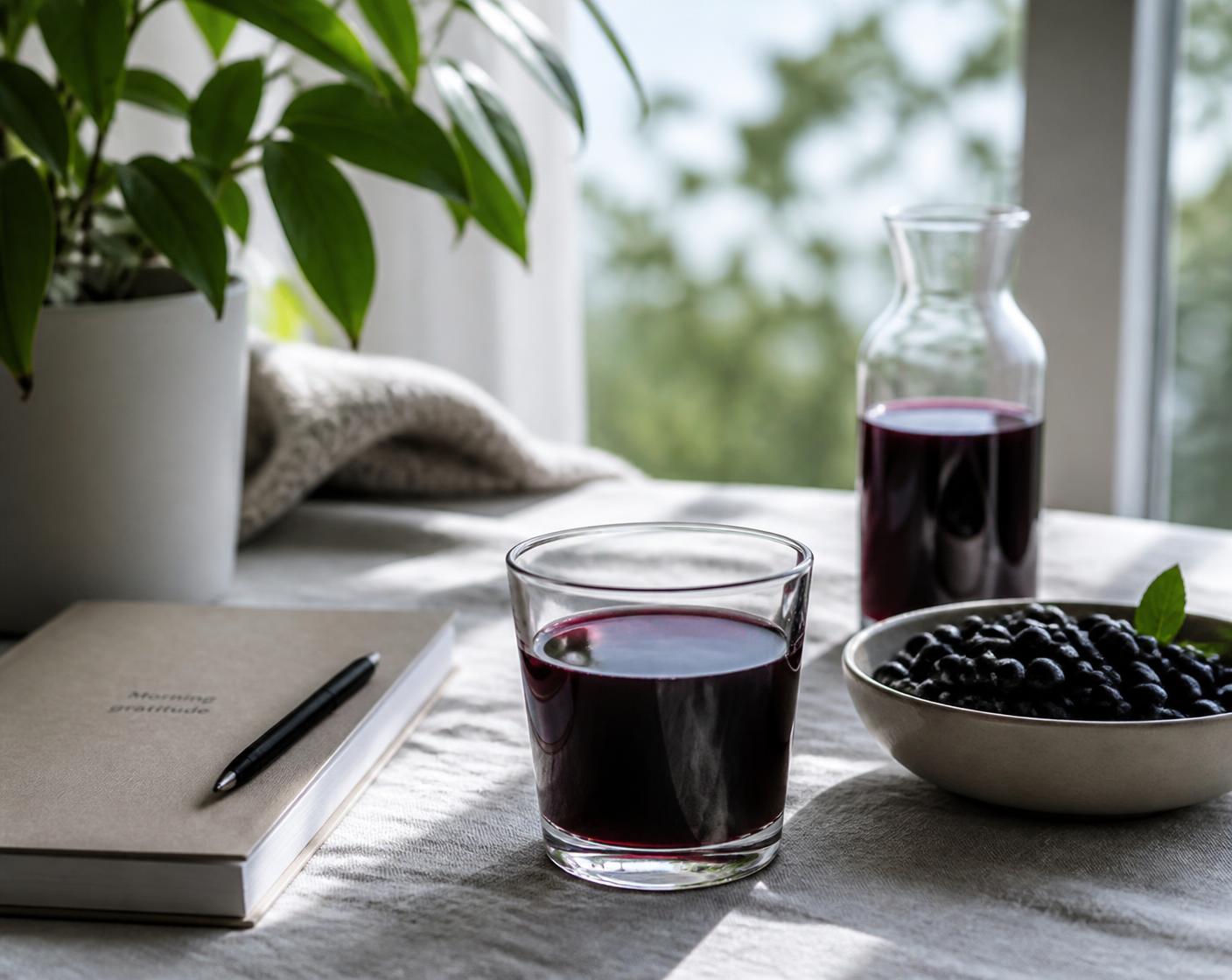
Each benefit below maps to a filtered collection so you can shop by what you care about.
- Immune support
- Heart and circulatory health
- Anti-inflammatory support
- Gut and metabolic wellness
- Skin resilience
Why It Tastes Tart
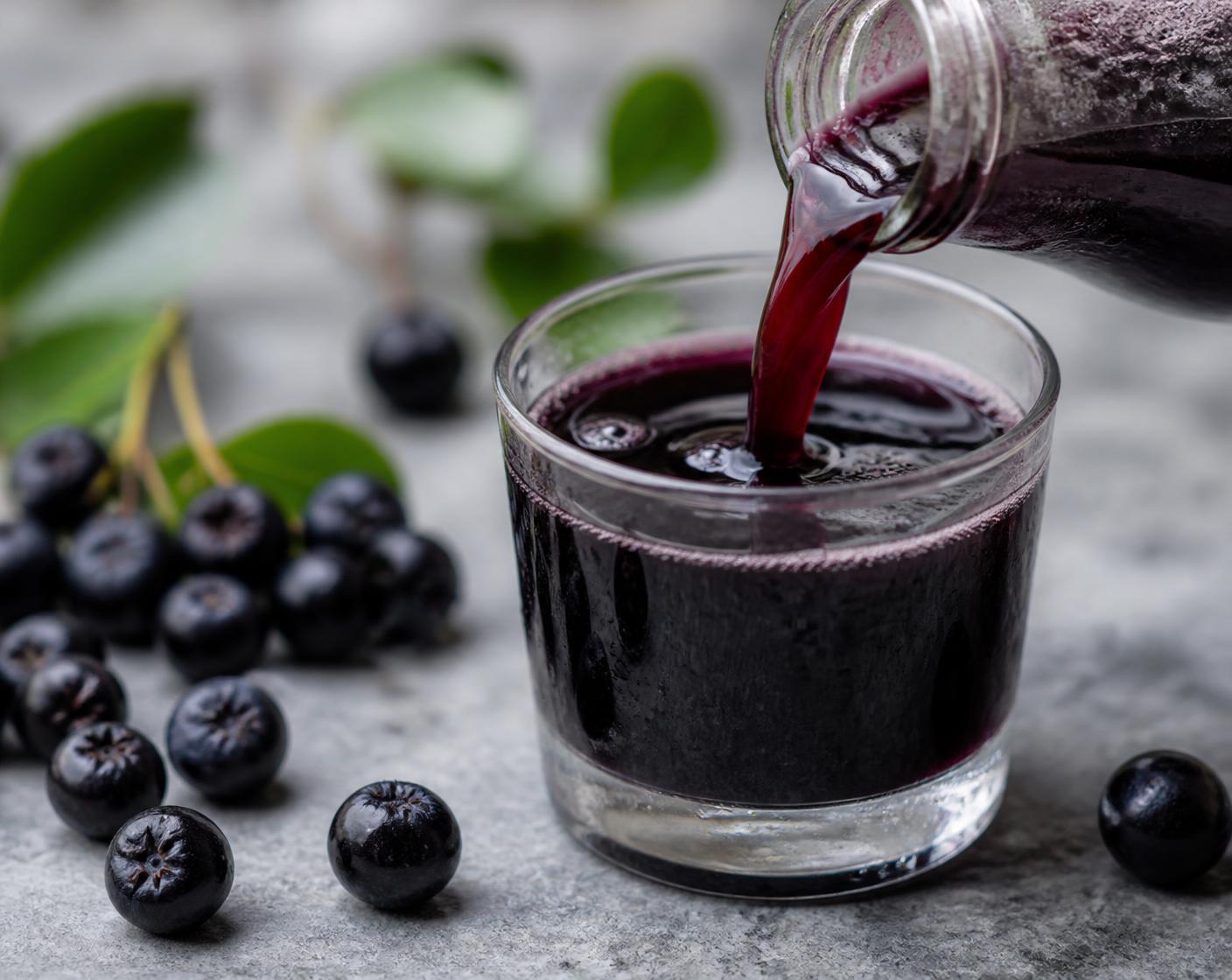
Aronia is dry and astringent on purpose — that pucker is the polyphenols. We never sweeten it to hide the fruit.
If you are new to it, dilute it or pair it with citrus for the first week.
How to Drink It
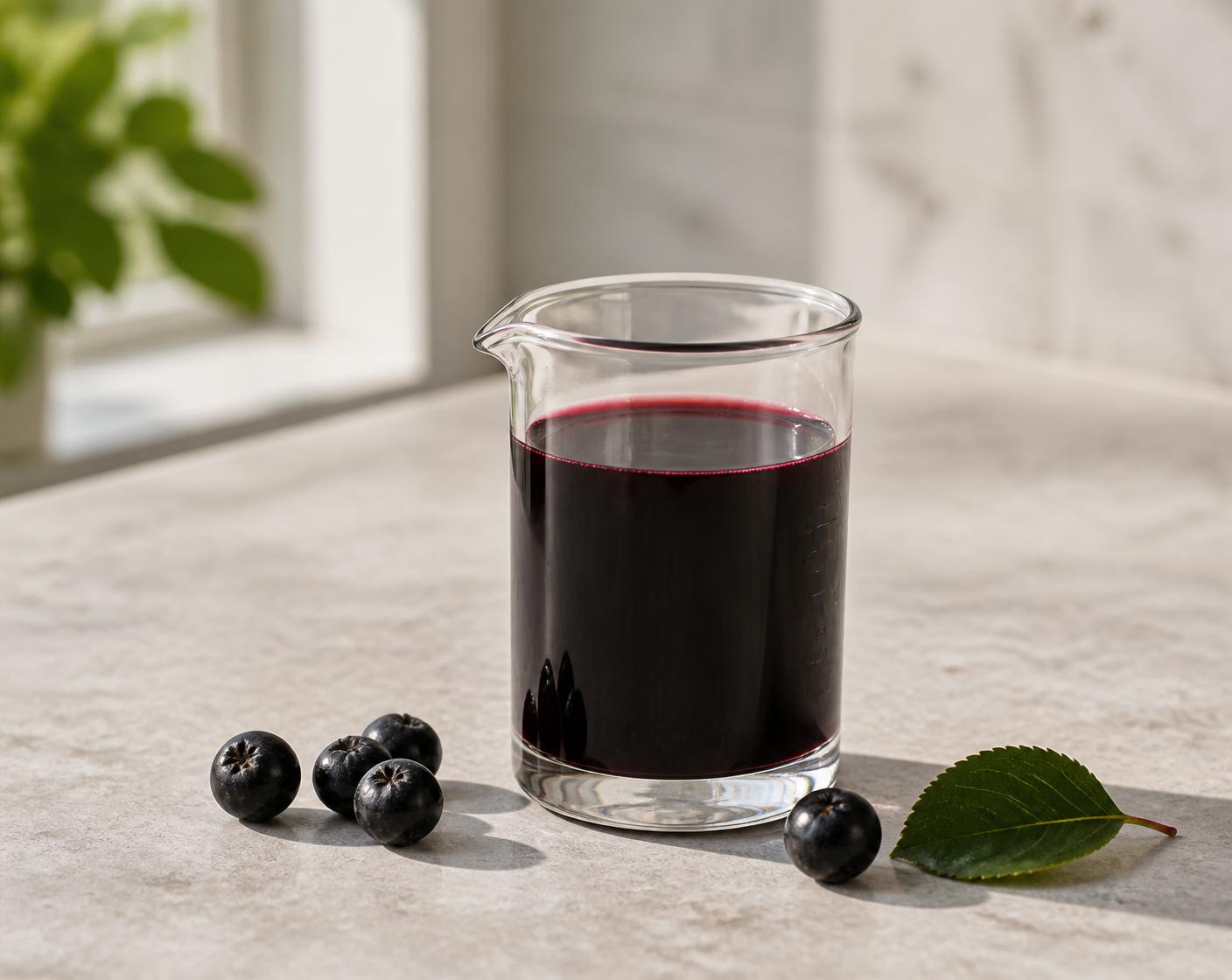
A simple daily ritual beats an occasional large pour.
- Daily serving
- 100 ml (3.4 oz) per day
- After opening
- Refrigerate, 14 days
Who It's For

Anyone building a consistent wellness habit. If you are pregnant, nursing, or on medication, talk to your clinician first.
How ElixirBurst Sources & Presses It
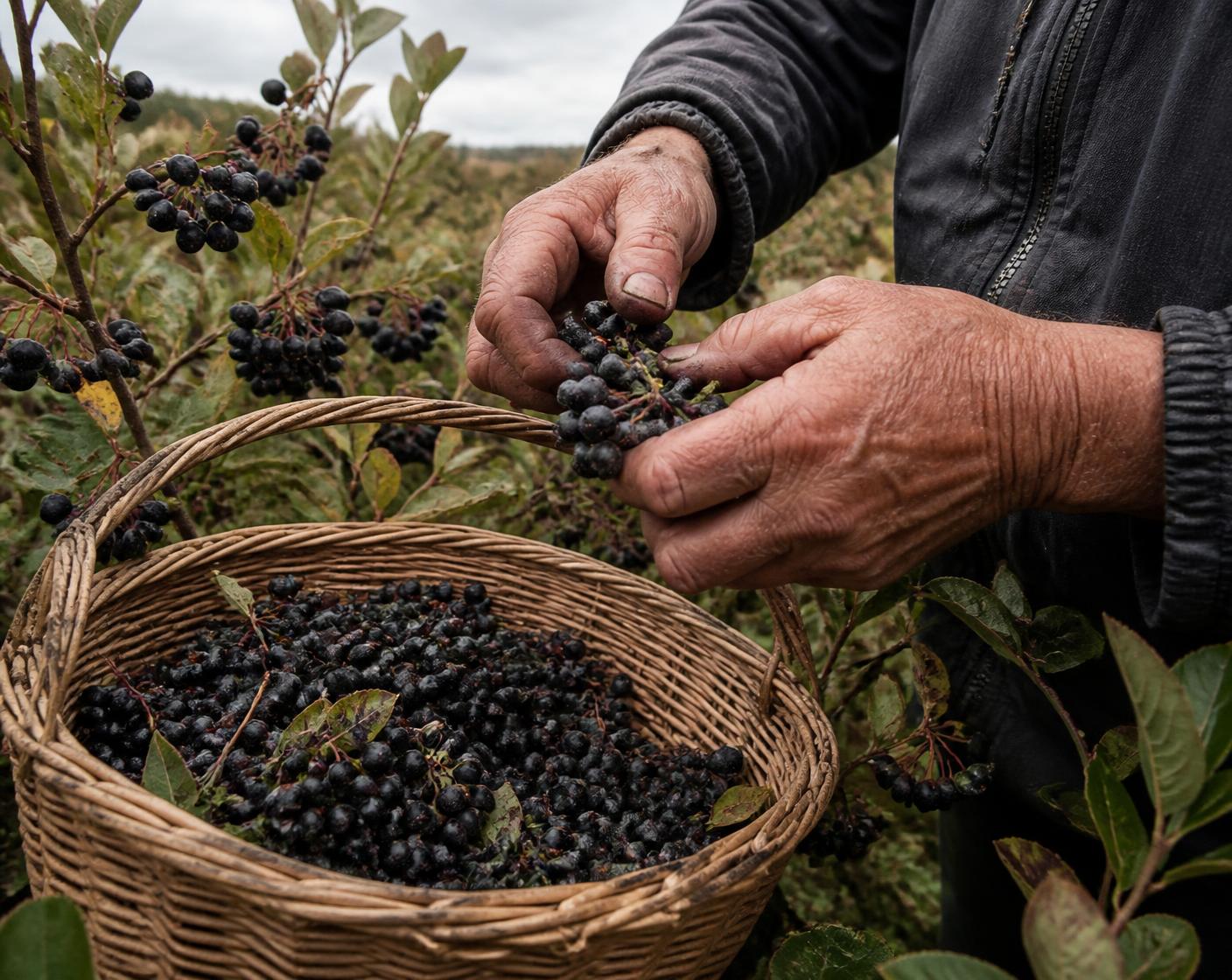
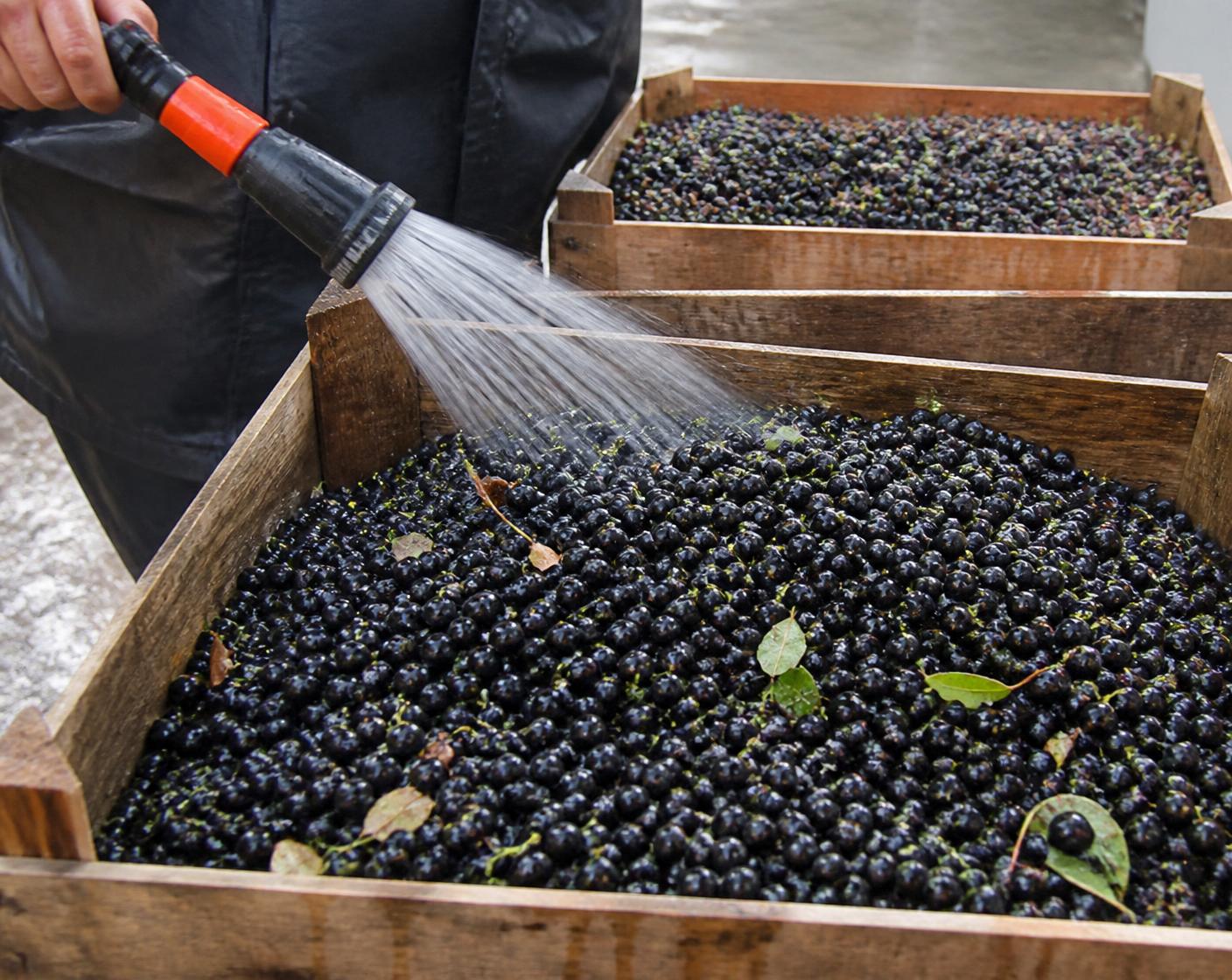
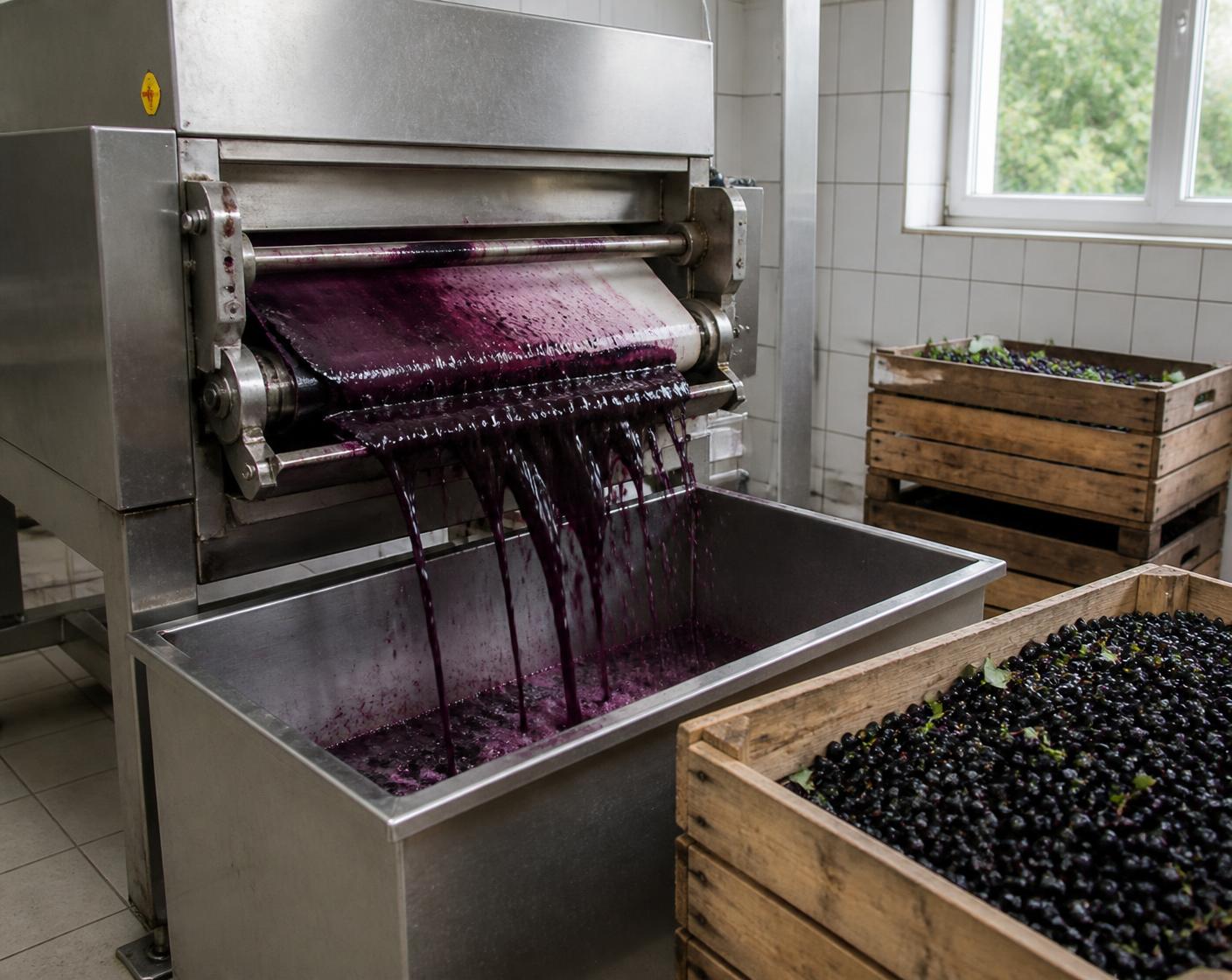
Certified organic fruit, straight pressed, never heat-treated, never from concentrate, and bottled in glass the same season it is harvested.
Common Myths
- "Chokeberry is poisonous" — it is not; the name comes from the astringency.
- "Darker means sweeter" — with aronia, darker means more tannin.
- "Juice from concentrate is the same" — reconstitution costs aroma and heat degrades polyphenols.
Where to Next
Now that you know the berry, follow it through the rest of ElixirBurst — the bottles we press it into, the drinks people make with it, and the people and practices behind every harvest.
These statements have not been evaluated by the FDA. ElixirBurst juices are foods, not medicine, and are not intended to diagnose, treat, cure or prevent any disease.