Sustainability
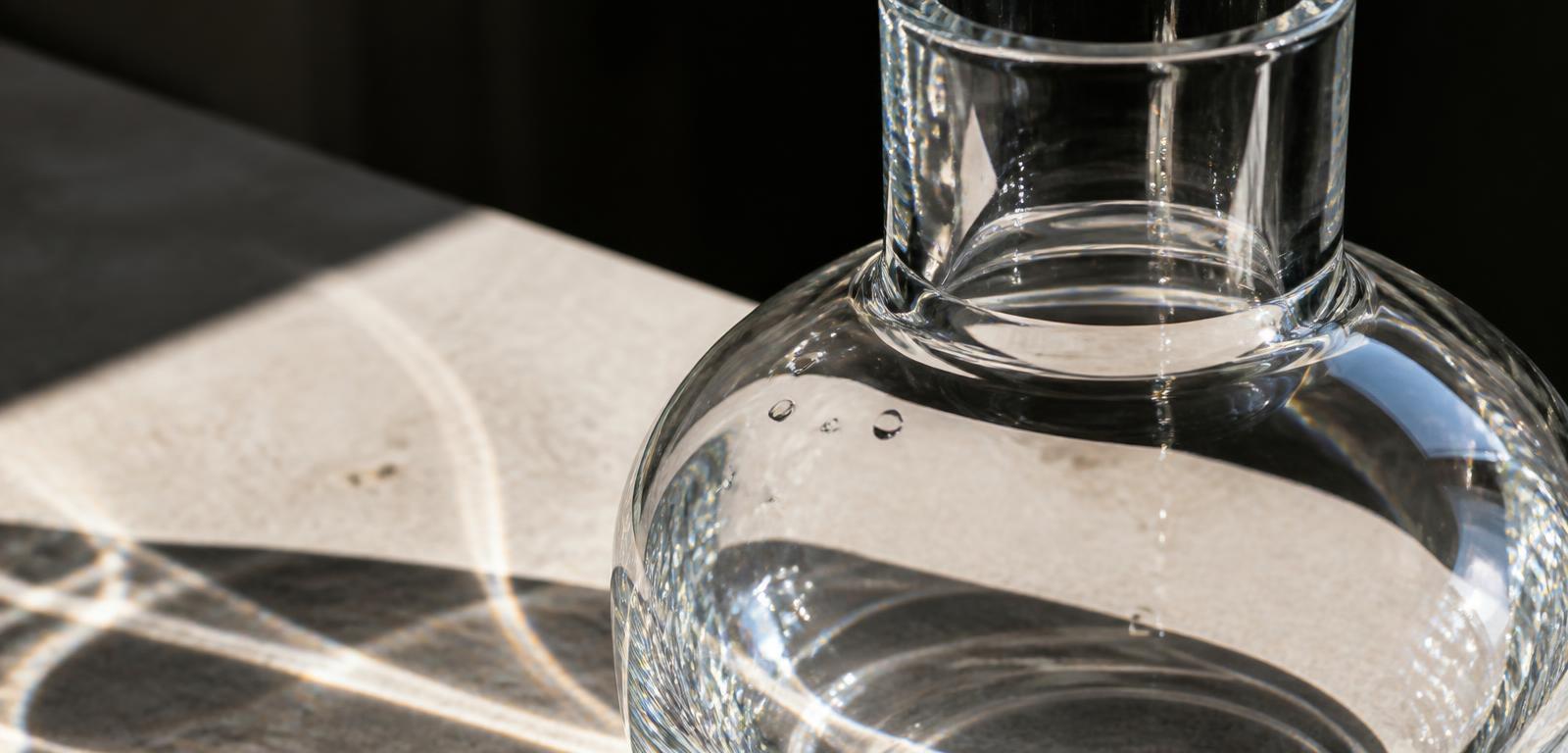
Glass, Not Plastic
Sustainability is not a section of this brand. It is the reason several of our decisions cost more than they had to.
Packaging
Why Glass, Not Plastic
Glass is infinitely recyclable without losing quality; plastic degrades every time it is reprocessed.
Juice is acidic, and acidic liquid sitting in plastic is exactly the condition where leaching and microplastic shedding are a concern.
Glass is inert. It does not trade flavor with what is inside it, so aronia tastes like aronia rather than like packaging.
It is heavier to ship and it costs us more. We think that is the right trade-off, and we say so plainly.
Sourcing
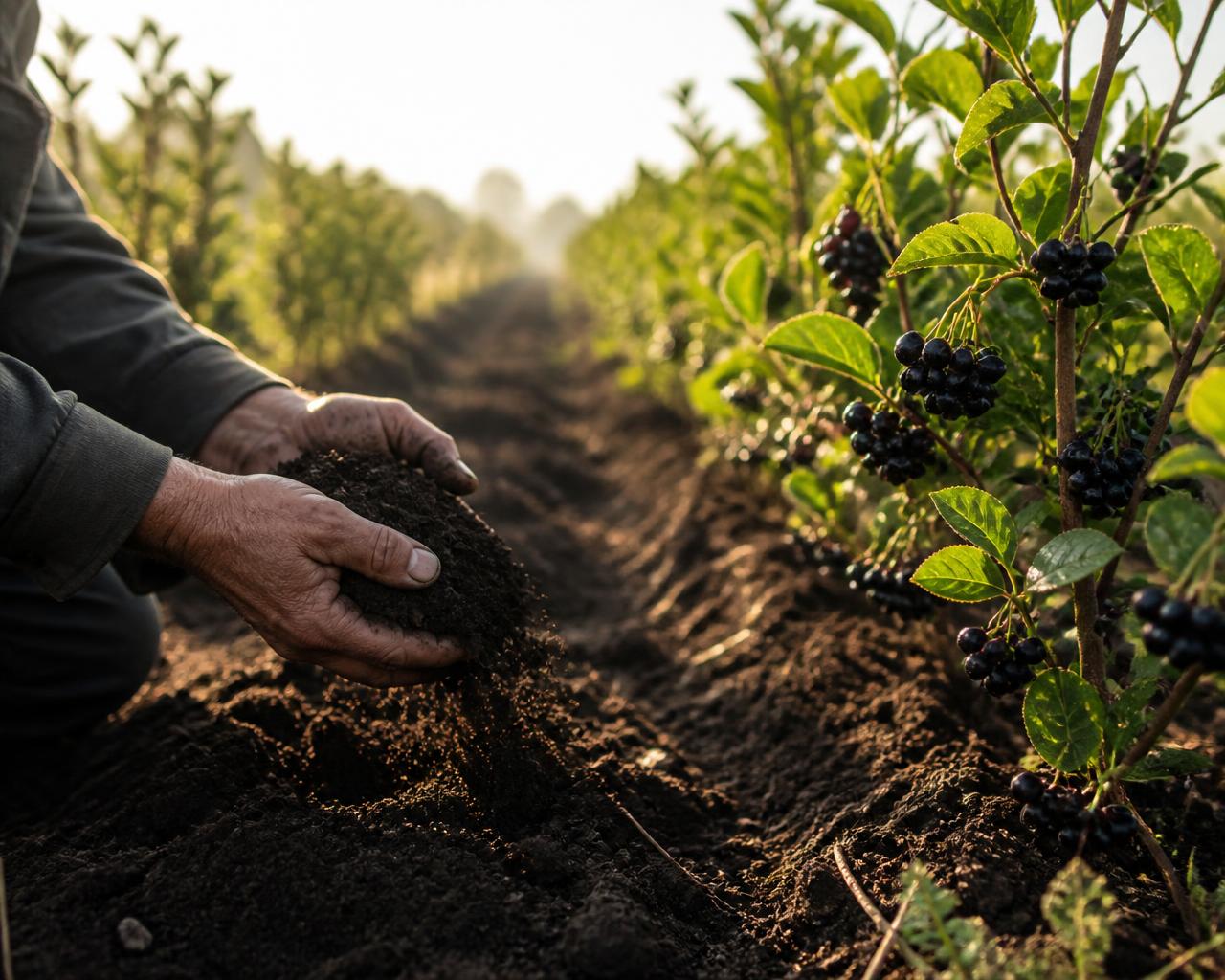
Organic Farming & Soil Health
Certified organic fruit, grown without synthetic pesticides, on farms that treat soil as an asset rather than a substrate.
Process
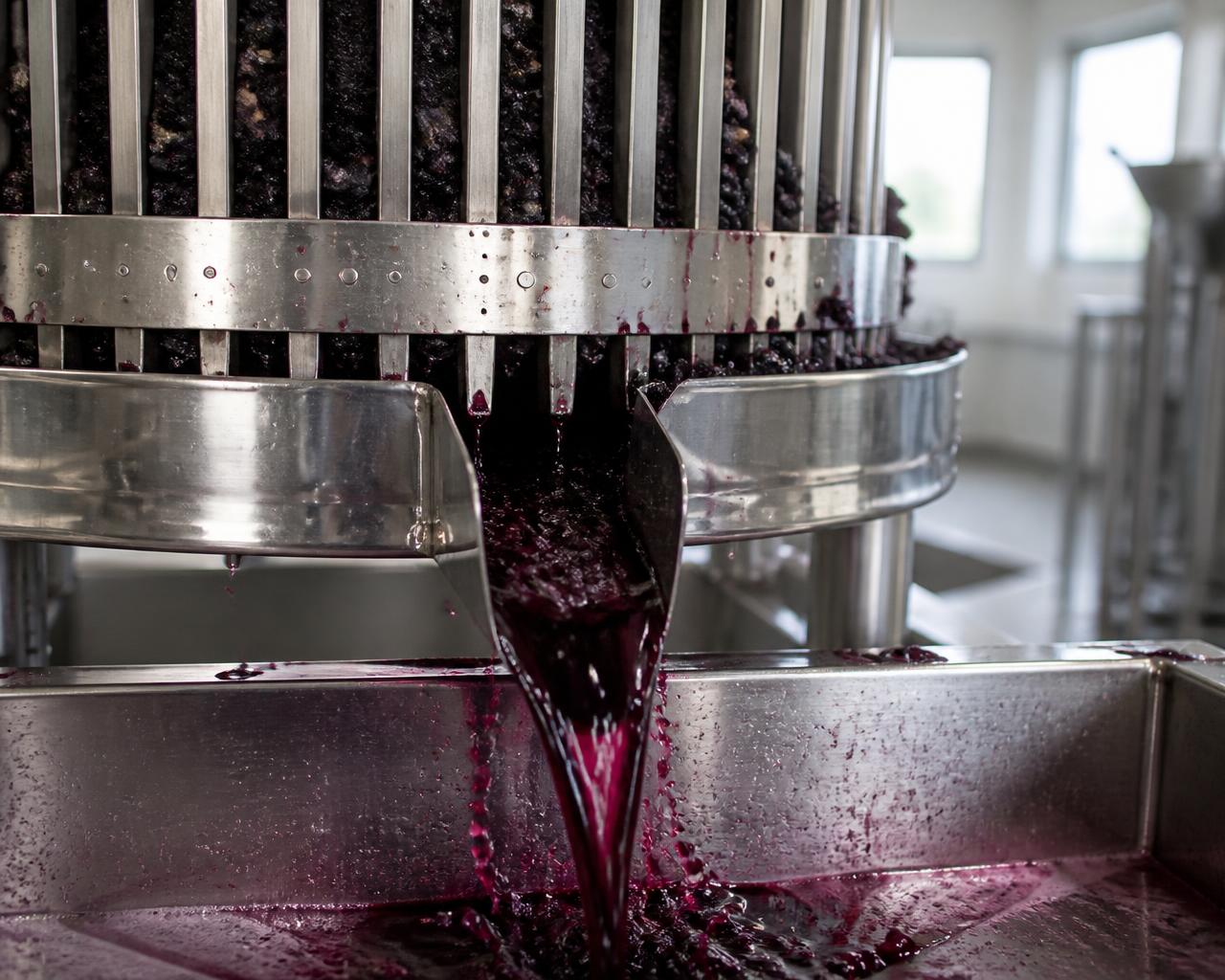
Straight Pressed, Never Heat-Treated
Less processing means less energy and more of the fruit left intact. No concentrate, no reconstitution, no shortcuts.
Logistics
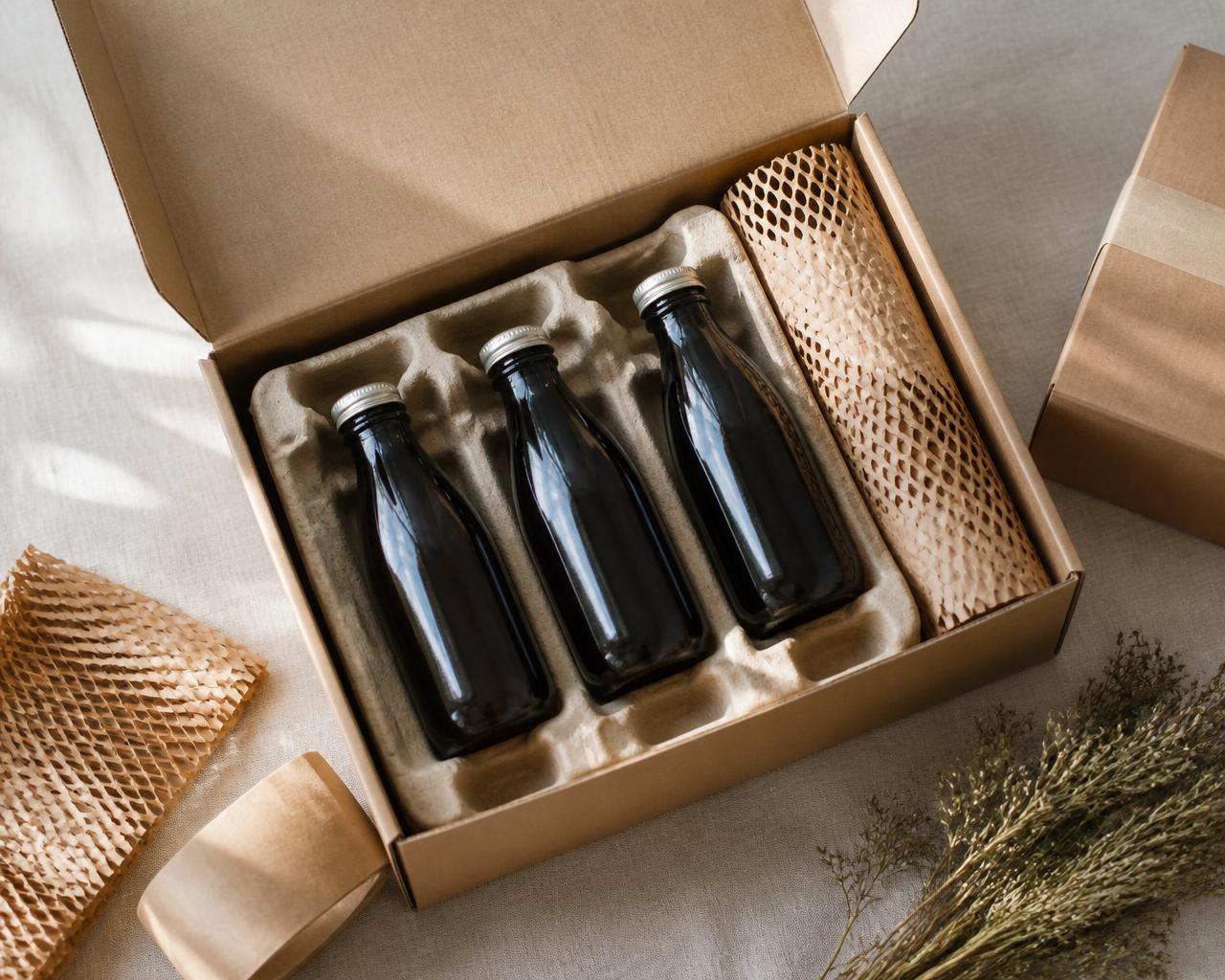
Shipping Materials
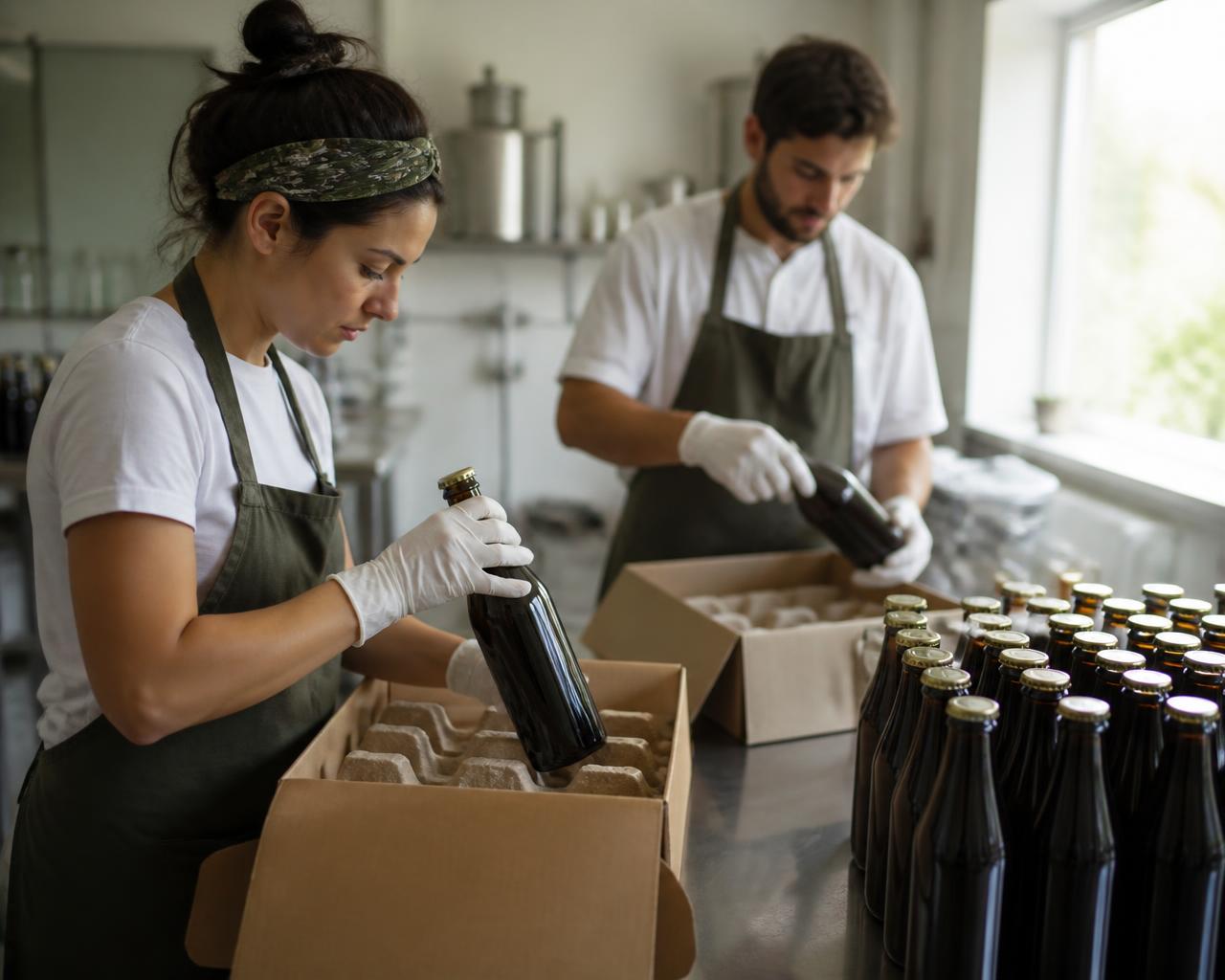
Recyclable and recycled shippers, plastic-free void fill, minimal ink, right-sized boxes.
Your Part
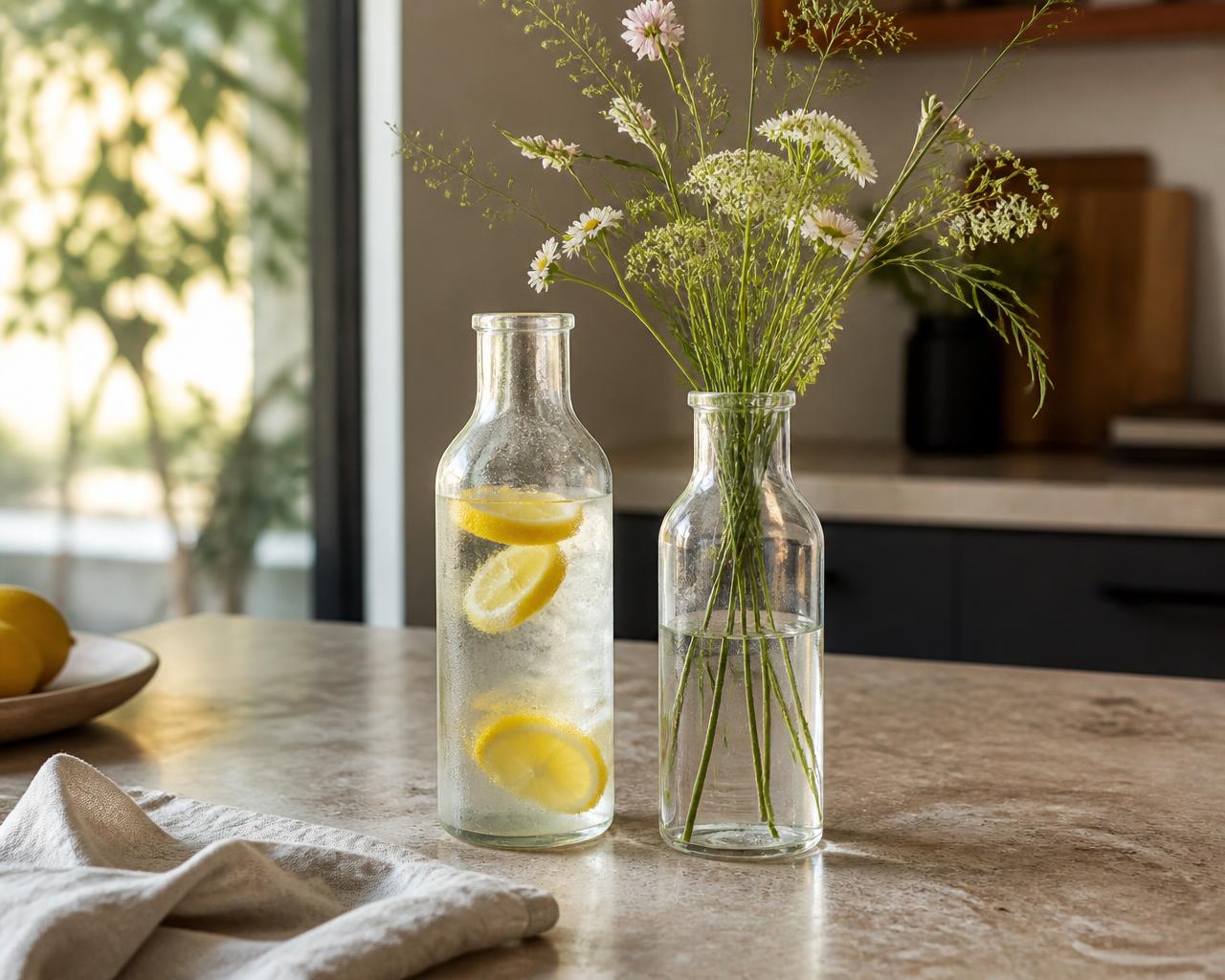
How to Recycle or Reuse Your Bottle
Rinse, remove the cap, recycle the glass — or keep it: it makes a good water carafe, vase, or cold-brew bottle.